New Year 20262026-01-01
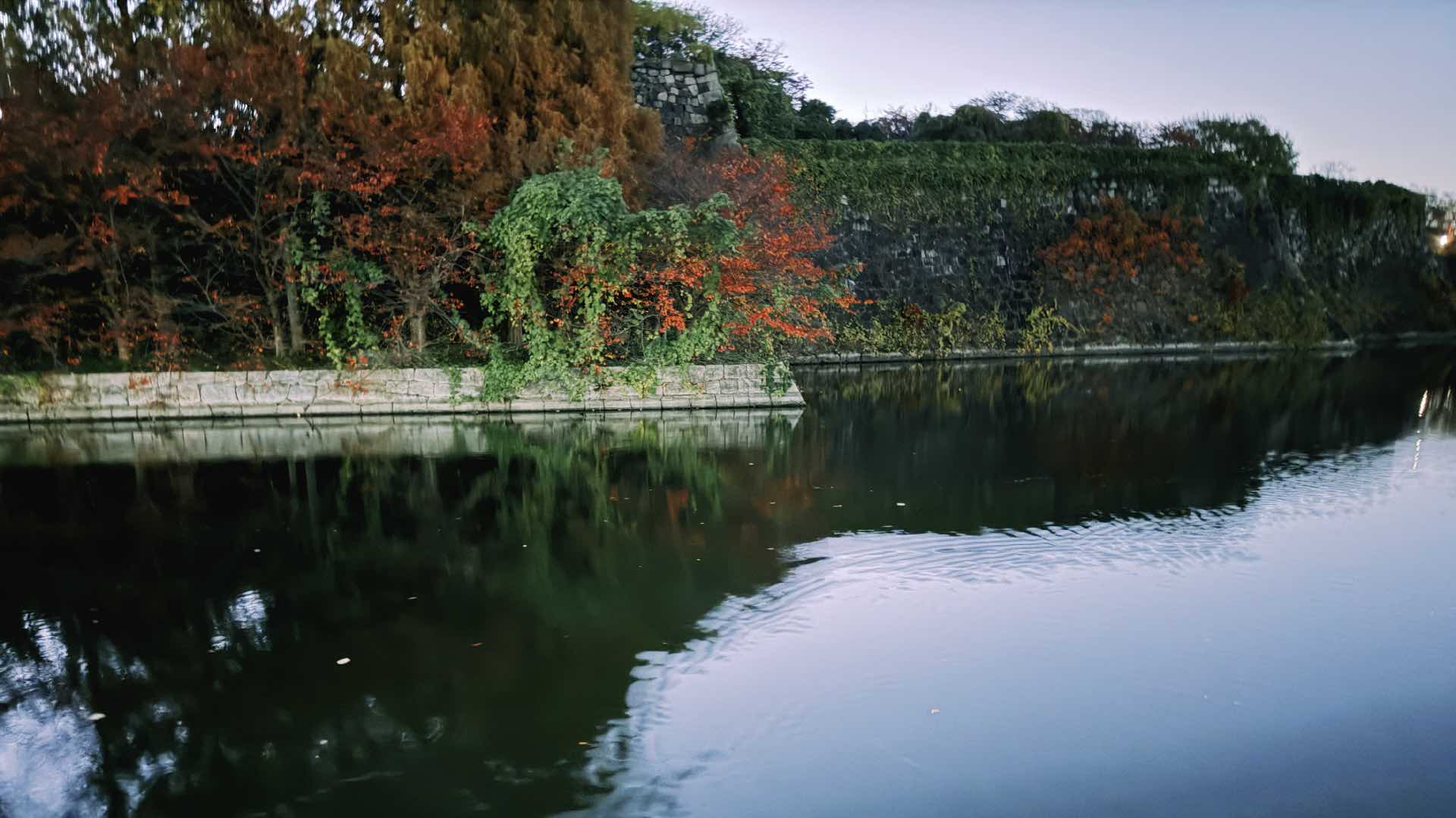
It’s the beginning of 2026.
Looking back on last year, my trips to Cambodia and Mongolia stand out the most.
Other than that, it was a calm year with not many particularly memorable events.
In other words, it was a year with little change.
When nothing changes, even though a whole year has passed, I start to feel bored with myself, as if I haven’t grown at all. It gives me a strange, almost inhuman sense of emptiness.
That’s why this year, I want to make it a year of real change.
Here are my goals for the year.
For my health
・Wake up by 7:00 every morning
・Go to personal training and build muscle
・Stretch every night after taking a bath
・Write a short journal every morning, separate from this one
For my skills
・Improve my English
・Release at least one personal app every month
・Start some kind of side business
For my work
・Of course, I will do my job properly, but I want to work in a relaxed way and focus more on my private life than on work.
I’m going to keep going this year with energy and intention.
A Friend’s Wedding2025-12-29
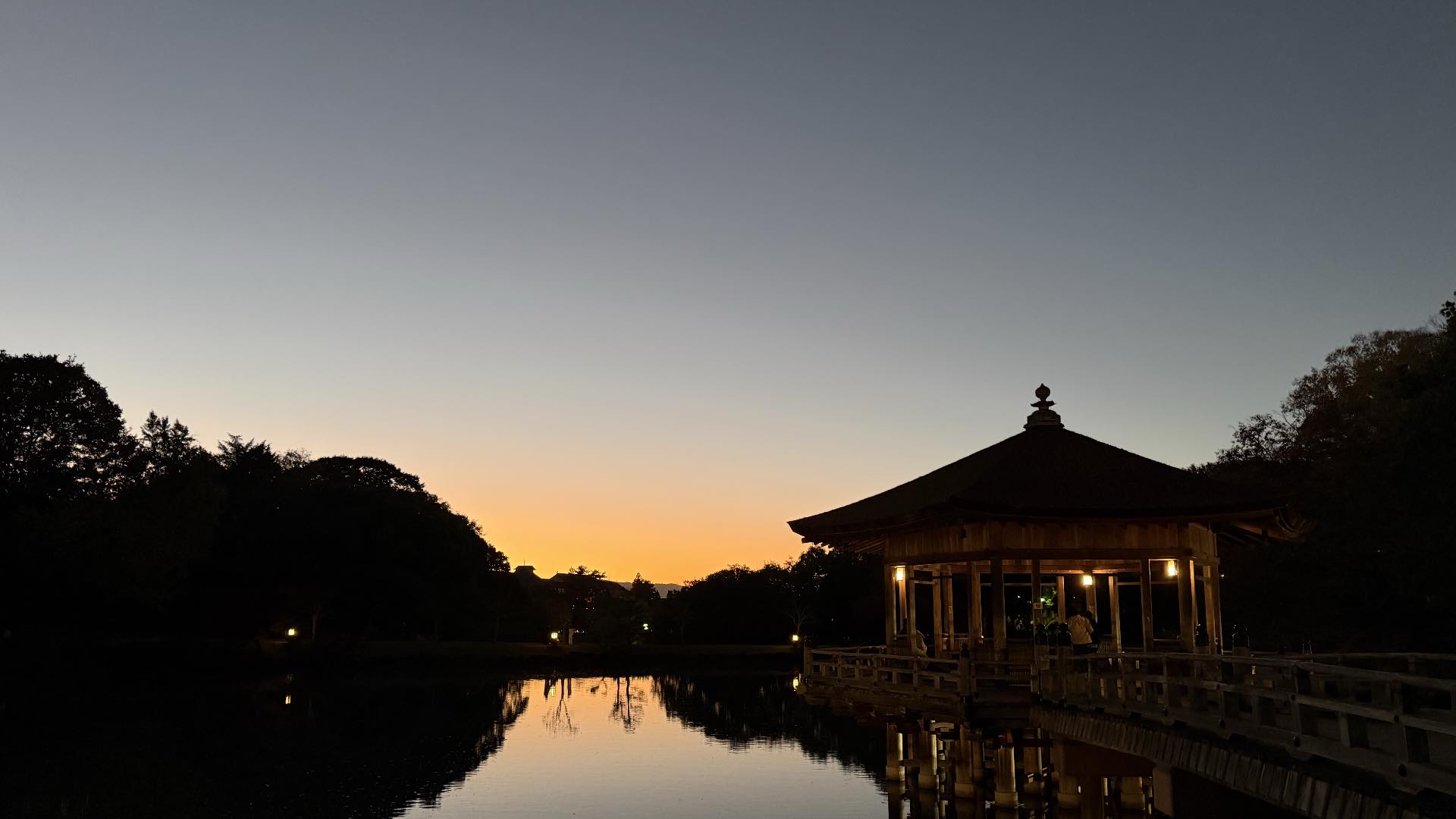
I went to a friend’s wedding for the first time.
I had attended weddings of relatives before, but this was my first time going to a close friend’s wedding. I didn’t even own a proper suit for formal occasions, so everything—from buying a suit to understanding the whole process—felt like stepping into a completely new world.
It was genuinely a very good experience.
I am not really the type who strongly wants to have a wedding myself, but I found myself wanting to attend more of my friends’ weddings and receive that sense of happiness again.
I used to have a rather negative image of weddings, mainly because of the cost. I always thought of them as something that costs around three million yen in just half a day. But after attending this one, I feel like I finally understand why people choose to have them. There are very few opportunities in life when so many friends from different stages of your life gather in one place, and there are probably even fewer moments when you are celebrated by that many people at once. If someone worries about the cost, it probably means they truly want to do it — and in that case, I think they should.
Personally, I am not well suited to being celebrated in front of a large crowd, so I cannot say I strongly want a wedding for myself. Still, I want to actively participate in as many of my friends’ weddings as I can.
Being Lazy on Purpose2025-12-28
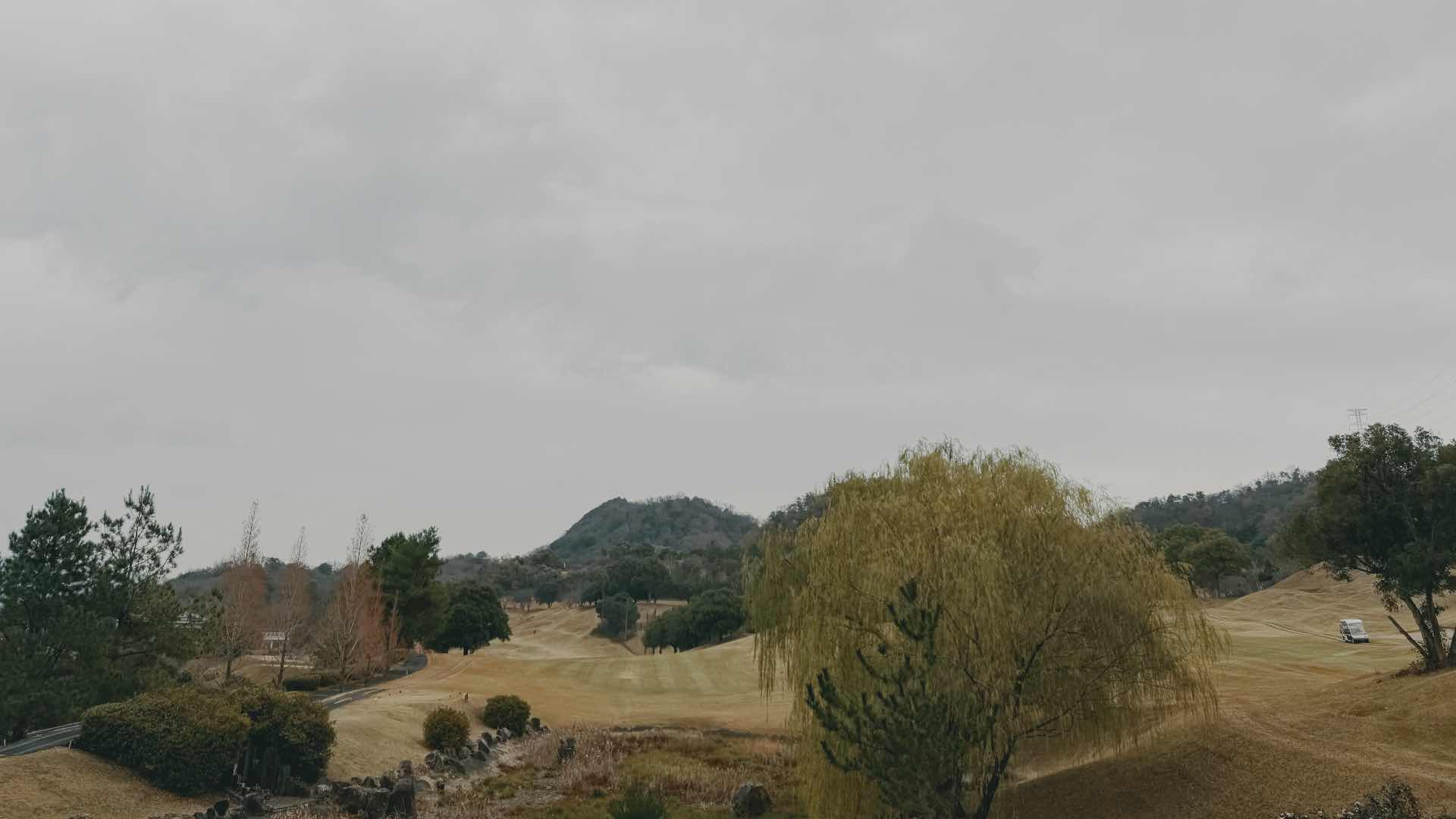
It’s hard to believe the year is already coming to an end.
I’ve finished work for the year and now I have about nine days off.
I want to spend the end of the year just doing nothing and relaxing, but when I actually do that, I start to feel guilty. I catch myself thinking, “I could have used this time to do something more meaningful.” So even resting in that lazy way sometimes becomes mentally exhausting.
The strange thing is, I need to be lazy to truly rest, but being lazy also makes me uncomfortable. It’s a bit of a contradiction. Recently, though, I’ve started treating “being lazy” as a task. By seeing it not as something bad but as an intentional task for keeping my mind stable, that uncomfortable feeling has mostly disappeared. So this year’s plan for the holidays is simple: I’m going to be lazy.
Changing the subject, I’ve been saying “I want to speak English” for about ten years now. For the past decade, I’ve repeated the same cycle: study a little, then stop. Letting both my motivation and my studying drift along like this isn’t good. I’ll organize these thoughts properly in another diary entry someday.
Morning Sun2025-12-09
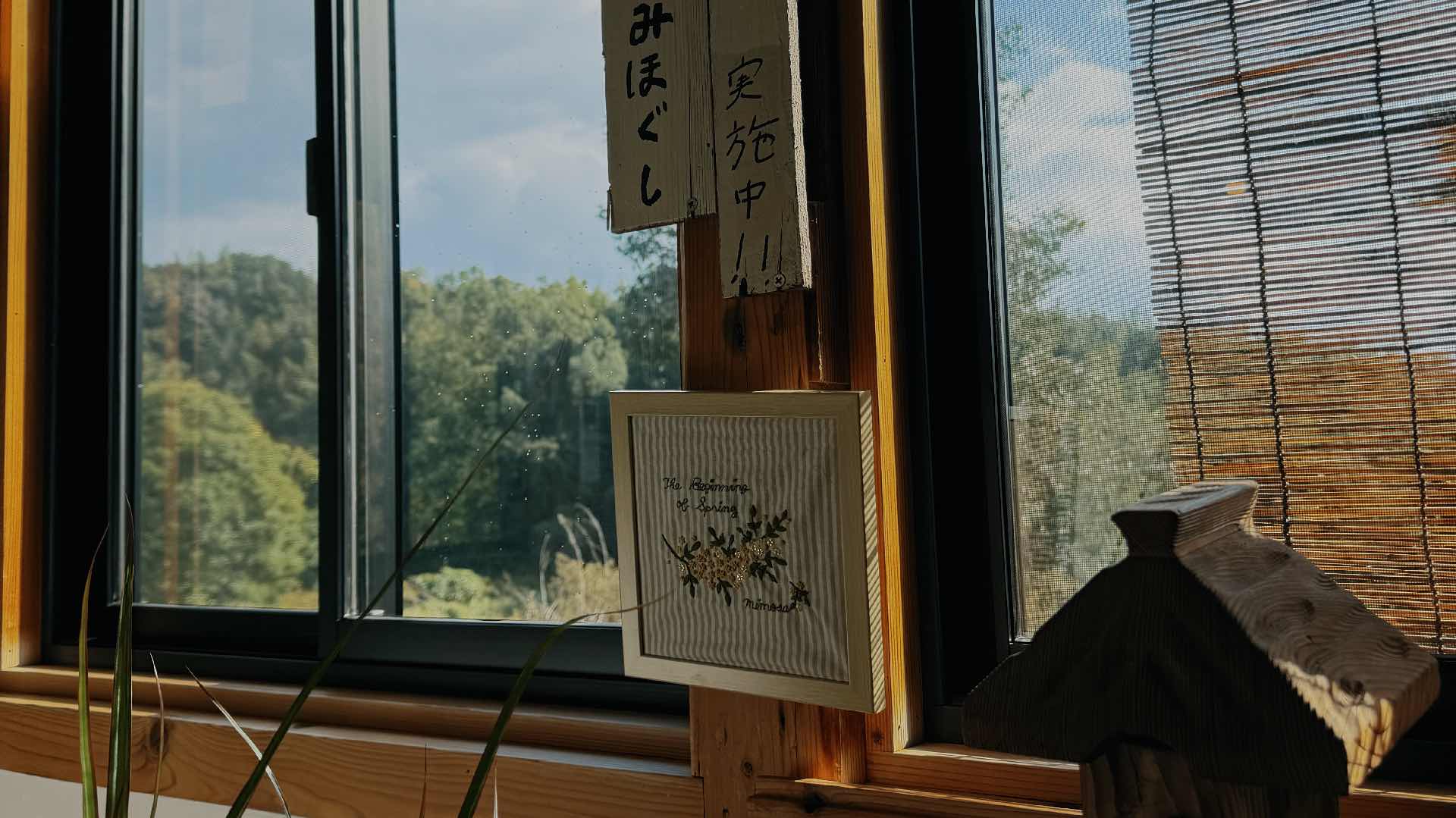
Waking up early lightens my mood a little.
Today I managed to get up earlier than usual—not because I had anything to do, but simply to wake up early. Two years ago, or back in college, I used to aim for a 6 a.m. wake-up. Recently, though, it’s drifted to around 8:30. Considering I start work at 10, that barely leaves any time after getting ready.
Having extra time in the morning lets me read, write this journal, enjoy breakfast slowly, or study a bit of English. It makes the day feel like it starts on a better note. It also shifts the balance of the day so that work feels more like the “side” part, while I can spend the morning on myself. That’s probably why it feels fulfilling.
It sounds like a cheesy line from a novel, but when I saw the morning sun today, I thought it looked beautiful for the first time in a while.
Morning Body, Night Mind2025-12-06
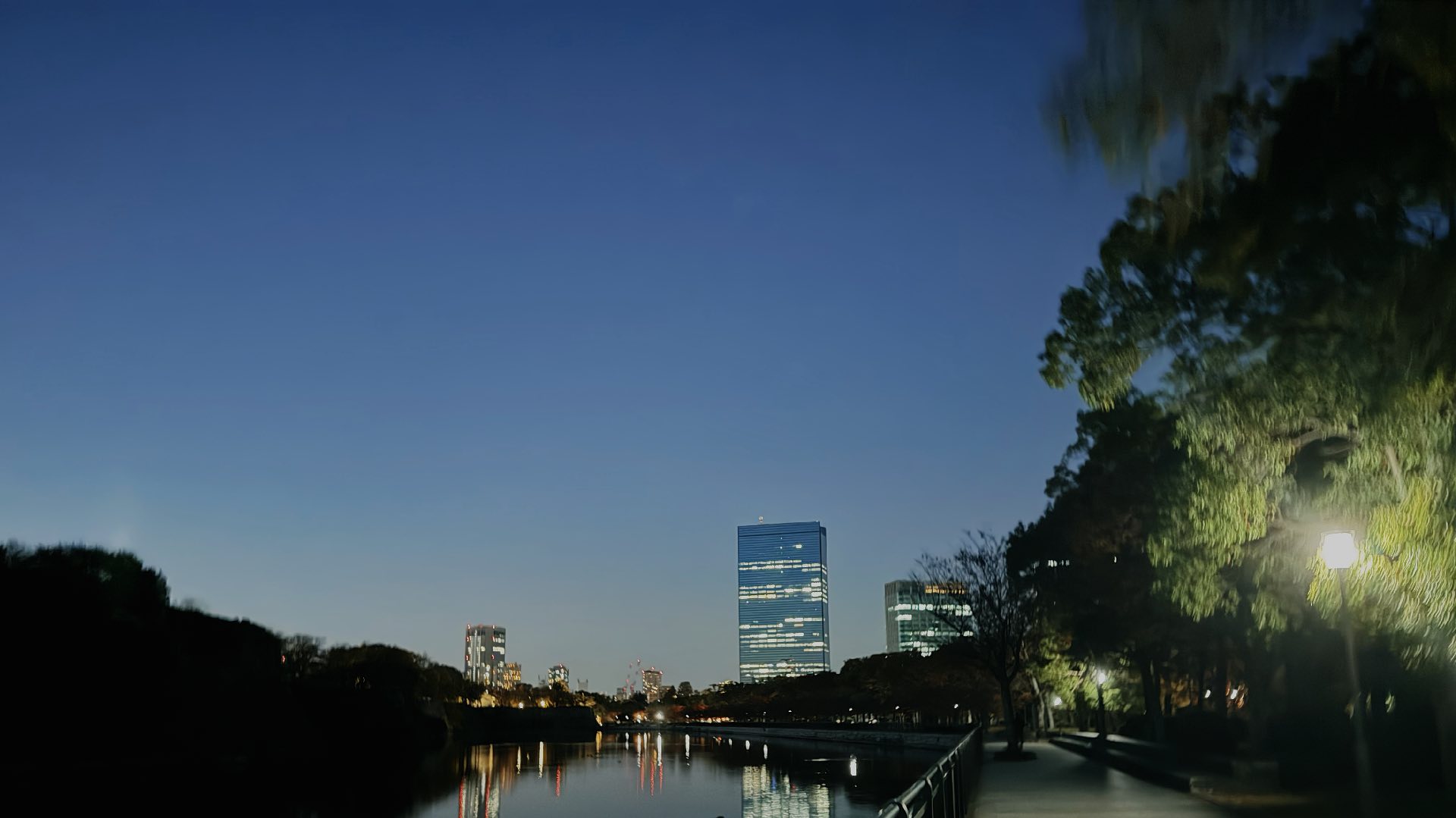
I’ve never considered myself a night person, and I get sleepy easily. Still, I’ve always found it easier to focus on studying and tasks at night. I’ve wondered about this for a long time, and I think I finally understand why.
It’s not really about being a morning type or a night type. I’m simply bad at handling multiple tasks in parallel. When I have two tasks that should each take only a small amount of effort—say, 10%—I somehow feel as if they require 50% instead of 20%. For example, when I try to study during the day, the washing machine might be running, the bath might be filling, or I might have plans later in the evening. Even small things I need to think about can lower my concentration more than they should.
At night, on the other hand, there’s nothing scheduled after, and everything for the day is already done. There’s nothing running in parallel in my mind, so I can focus much more easily. I’m not a night owl, but the absence of competing thoughts at night seems to push my performance higher.
During the day, I also tend to think, “There’s still plenty of time left, so I can relax a bit,” which makes it easier to drift. Because of all this, I’ve ended up as someone who is technically a morning person but performs better at night.