Back in Japan (Day 16 of 16)2026-10-02

I arrived in South Korea at around 6 a.m. The immigration process took forever, but I finally got through at around 7:30. I had about four hours in Korea during my layover, so I decided to go to a casino.
And somehow, I won quite a lot. I started with about 10,000 yen and ended up with around 120,000 yen. I played roulette almost the whole time, and honestly, it made me feel like roulette might actually be something I’m good at. Maybe I really am lucky.
Still, this whole trip probably cost a little over 300,000 yen in total — around 180,000 yen for flights, 40,000 yen for accommodation, and maybe another 80,000 yen for everything else. So if I think about the casino winnings, I can tell myself that this trip only cost me around 190,000 yen. That feels pretty good.
Maybe coming to Korea just to go to the casino wouldn’t be such a bad idea either. The adrenaline was intense.
Right now, I’m at the airport. On the flight, I watched the movie version of *Nanimono*, and now I’m listening to its theme song, “NANIMONO.” Listening to it makes me feel like something in me has changed.
Only “feel like,” though.
I think this trip helped me organize my thoughts a little, especially about relationships and how I want to work in the future. If I had to choose theme songs for this trip, they would be “NANIMONO” and “Shape of My Heart.” Both are theme songs from movies I watched during the trip.
When I watched *Léon*, which uses “Shape of My Heart,” I didn’t actually think that much of the movie while I was watching it. But the feeling stayed with me afterward, little by little, and I gradually started to like the song more.
What that movie and song made me think about is this: having something or someone you want to protect probably makes life harder than living only for yourself.
But maybe it also makes life richer.
The Long Way Home (Day 15 of 16)2026-10-01
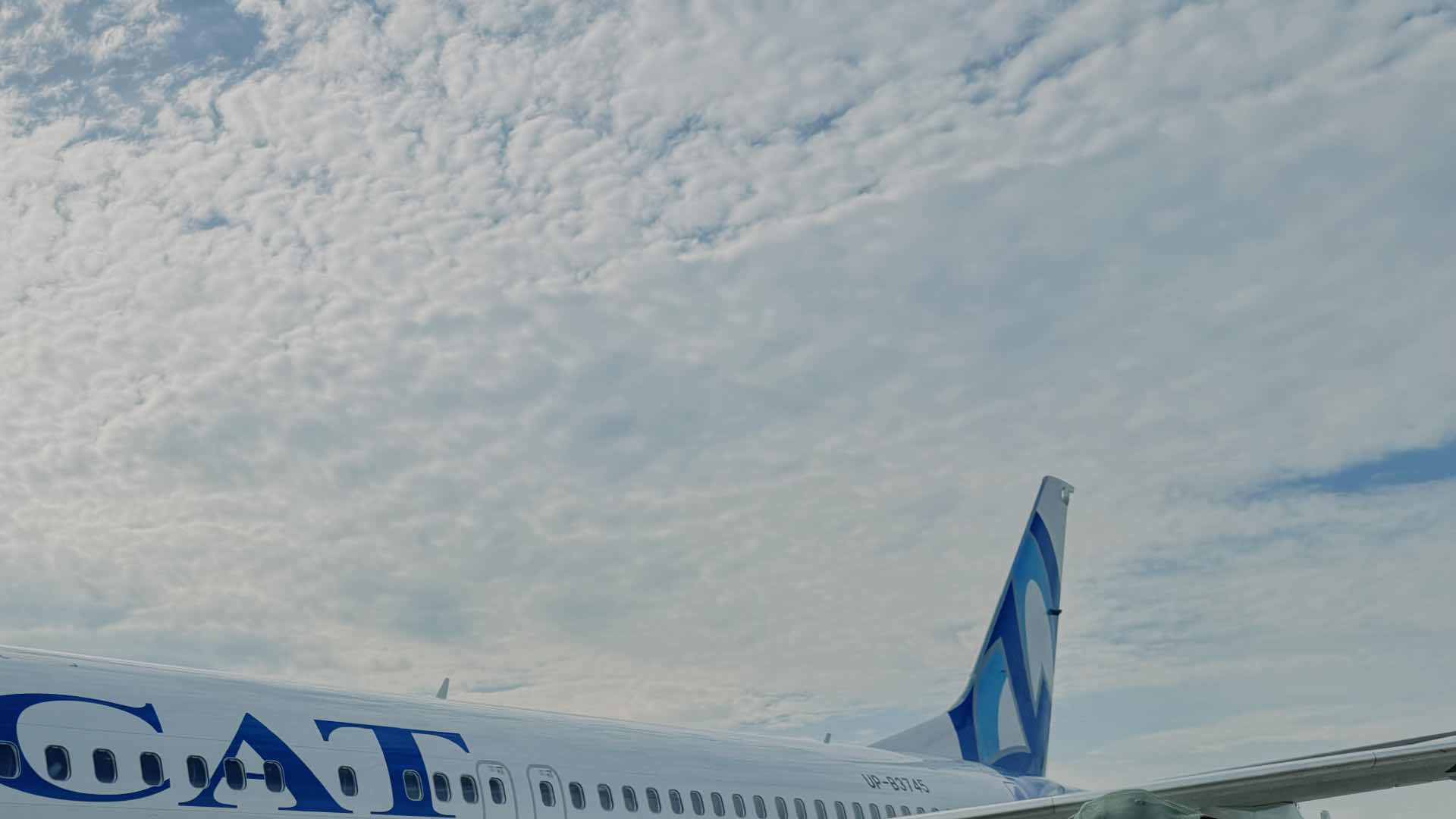
Today is a travel day back home.
I’m traveling from Tbilisi to Kazakhstan, then South Korea, and finally Japan. Today, I’ll make it as far as South Korea.
At a restaurant in Kazakhstan, I called the staff several times, but no one really paid attention to me, so I ended up leaving. It put me in a slightly bad mood.
Tonight, the airplane is basically my hotel. I thought I might be able to sleep, but I couldn’t really get any proper rest.
Also, because South Korea is five hours ahead of Georgia, Friday is only going to be about 19 hours long for me. Maybe because of that, even though I haven’t slept much, I still somehow feel pretty energetic.
Back in Tbilisi (Day 14 of 16)2026-09-30
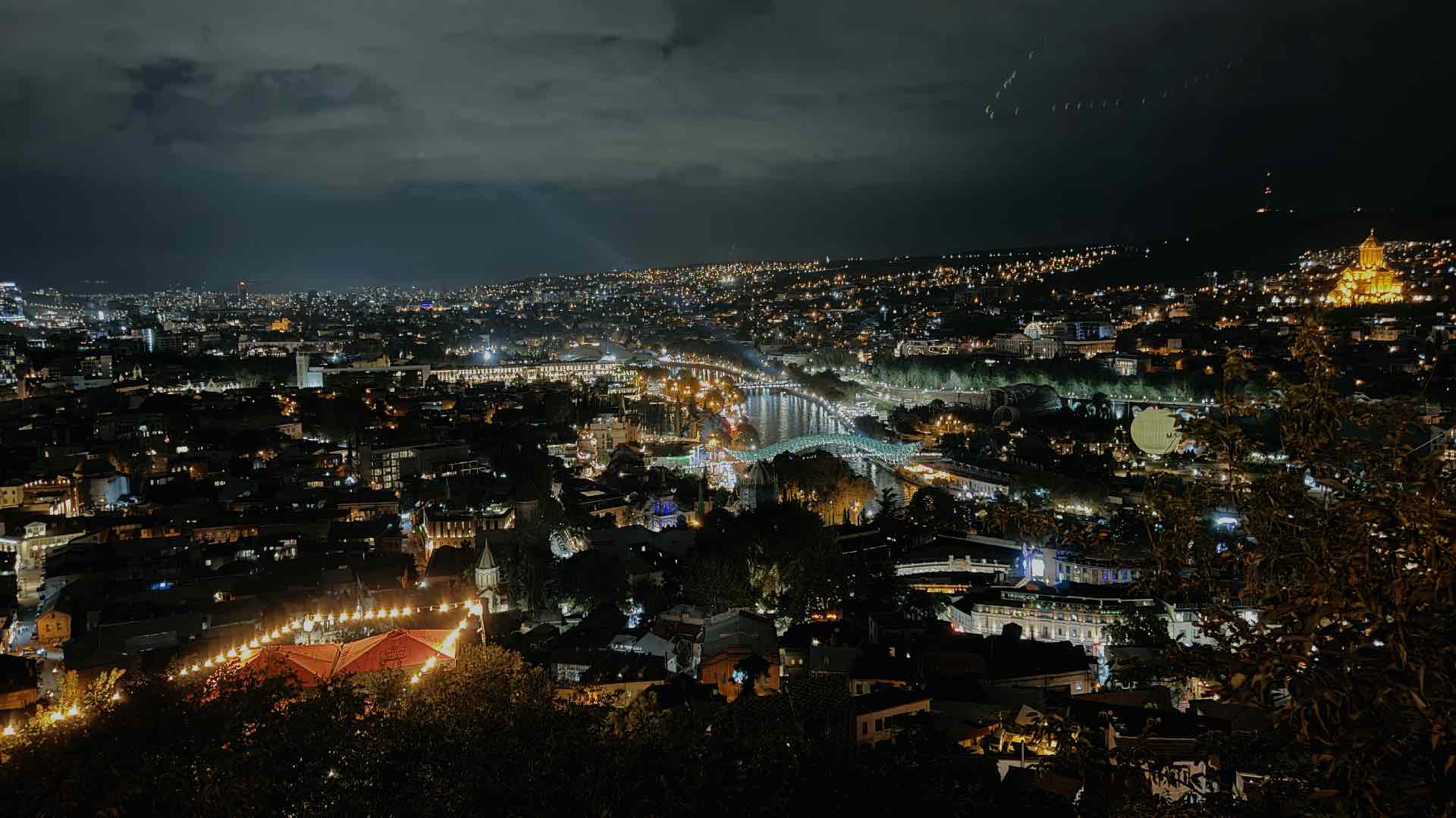
Today was a travel day from Kutaisi back to Tbilisi. Tomorrow, I’ll leave Tbilisi and head back home.
In Tbilisi, I met someone from Ukraine whose home had been destroyed because of the war, and who had come to Georgia after fleeing Ukraine. He told me he had no money and asked me for some. I really hesitated. I just couldn’t bring myself to give him cash, so I decided not to, but I did give him some food.
I thought about it a lot. Maybe his story was a lie. Normally, when something like this happens, I don’t trust it and I say no to everything. But for some reason, this time I felt like maybe I could believe him. He also showed me some real photos, and that made me want to believe his story even more. I thought I would feel more guilty if I chose not to believe him and did nothing, so I think I made the right choice. I just hope what I gave him helped in some small way.
Right now, I’m sitting on a hill in Tbilisi. The trip is almost over. It was so much fun. Meeting that Ukrainian man made me think that maybe things are enjoyable partly because they eventually come to an end.
Looking back on this trip, so much happened. I listened to songs by a Chinese singer on the way to Kazbegi, met a kind older man at my guesthouse, and tried chacha for the first time. My room was amazing, although some of the locals around the guesthouse looked a little intimidating. The owner gave me a ride to Juta. I came back from Kazbegi to Tbilisi with a guy who looked kind of like a delinquent. Then I took a train and a marshrutka to Mestia, where I met Tyler.
In Mestia, I saw a glacier, hiked in the rain, stayed for quite a while, and ate a lot of good food. Then I went to Ushguli, took things slowly, and somehow ran into Tyler again. I was nervous about missing the marshrutka back to Mestia, but I made it. On the ride from Mestia to Kutaisi, I almost got carsick, and I learned one important lesson: always sit in the front seat of a marshrutka if you can.
In Kutaisi, we had parties almost every night. We ate watermelon and cheese and drank wine, and I spent my days slowly wandering around the city. Then I took the train back to Tbilisi today. I had booked a window seat, but someone had taken it, which annoyed me, but I decided to let it go. After that, I rode the subway for the first time, and now I’m sitting here looking at the view.
I read a lot of books, watched a lot of movies, listened to a lot of music, and thought about my future. While I was doing all of that, the trip somehow passed in an instant.
This trip felt different from Mongolia and Cambodia. I had fewer worries this time. Maybe that’s what made it feel so different.
I’m still sitting up here on the hill, but I think I’ll relax for a little longer and then head back to the guesthouse.
I still need to buy some souvenirs.
A Slow Day in Kutaisi (Day 13 of 16)2026-09-29
Today is Day 13.
My Mongolia trip was 13 days, and when I went hitchhiking, that trip was 12 days. Until now, 13 days was the longest solo trip I had ever taken. This time, though, it’ll be 16 days.
Part of me wants to go home, but another part of me still wants to stay longer. Both feelings exist at the same time. I like staying at home because I’m pretty introverted, but I also love being somewhere completely different from everyday life. I guess I’m always somewhere between those two sides of myself. Still, once I go home, I know I’ll immediately fall back into my normal routine, so I don’t really want to go back yet. Maybe I should take Monday off too. I still want more time away.
By the way, it’s kind of amazing that I’ve only used seven paid vacation days for such a long trip. Normally I would have needed about 13 days off, but thanks to Silver Week and the way my company’s weekend work schedule lined up, I didn’t have to use that many vacation days. That worked out perfectly.
Today was supposed to be sightseeing in the city, but honestly, it was more like just taking it easy. I went to a cafe, then another cafe, then another cafe...
I wish I had brought one or two more Japanese books with me. I’m running out of things to read, and it feels a little unsatisfying.
I also feel like there are more shops here where the staff seem unfriendly compared with Japan. Because of that, when I find a place where the staff are really nice, it makes me even happier. Today, I went into a souvenir shop and someone suddenly shouted, “Close it!!” at me in a loud voice. It scared me.
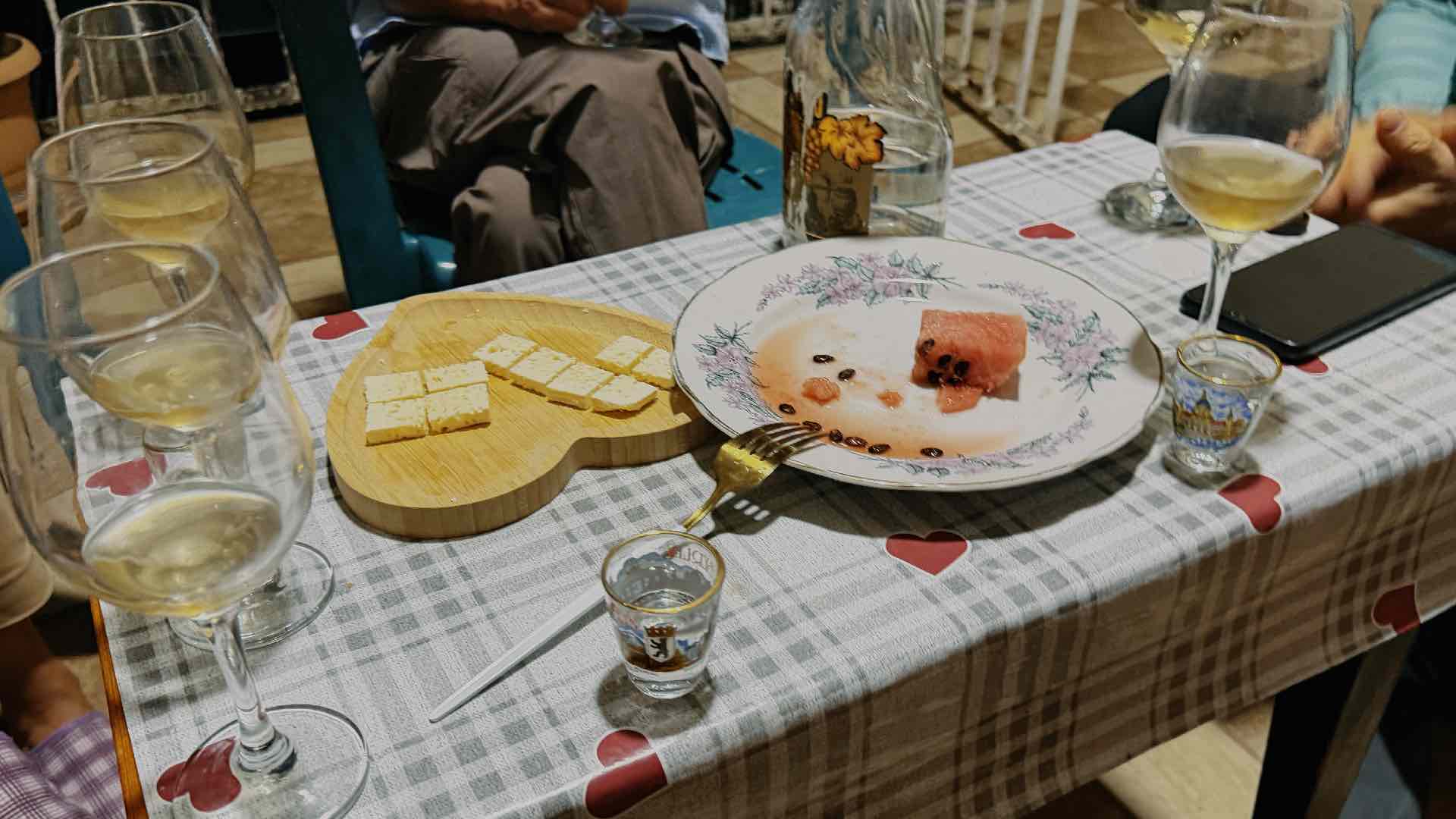
We had another party tonight too. It went from around 8 p.m. until midnight, and it was really fun. It made me want better English even more. There were people from all kinds of places, and German, Russian, and English were all flying around at the same time. It was complete chaos.
I drank a lot.
Happy!
Arriving in Kutaisi (Day 12 of 16)2026-09-28
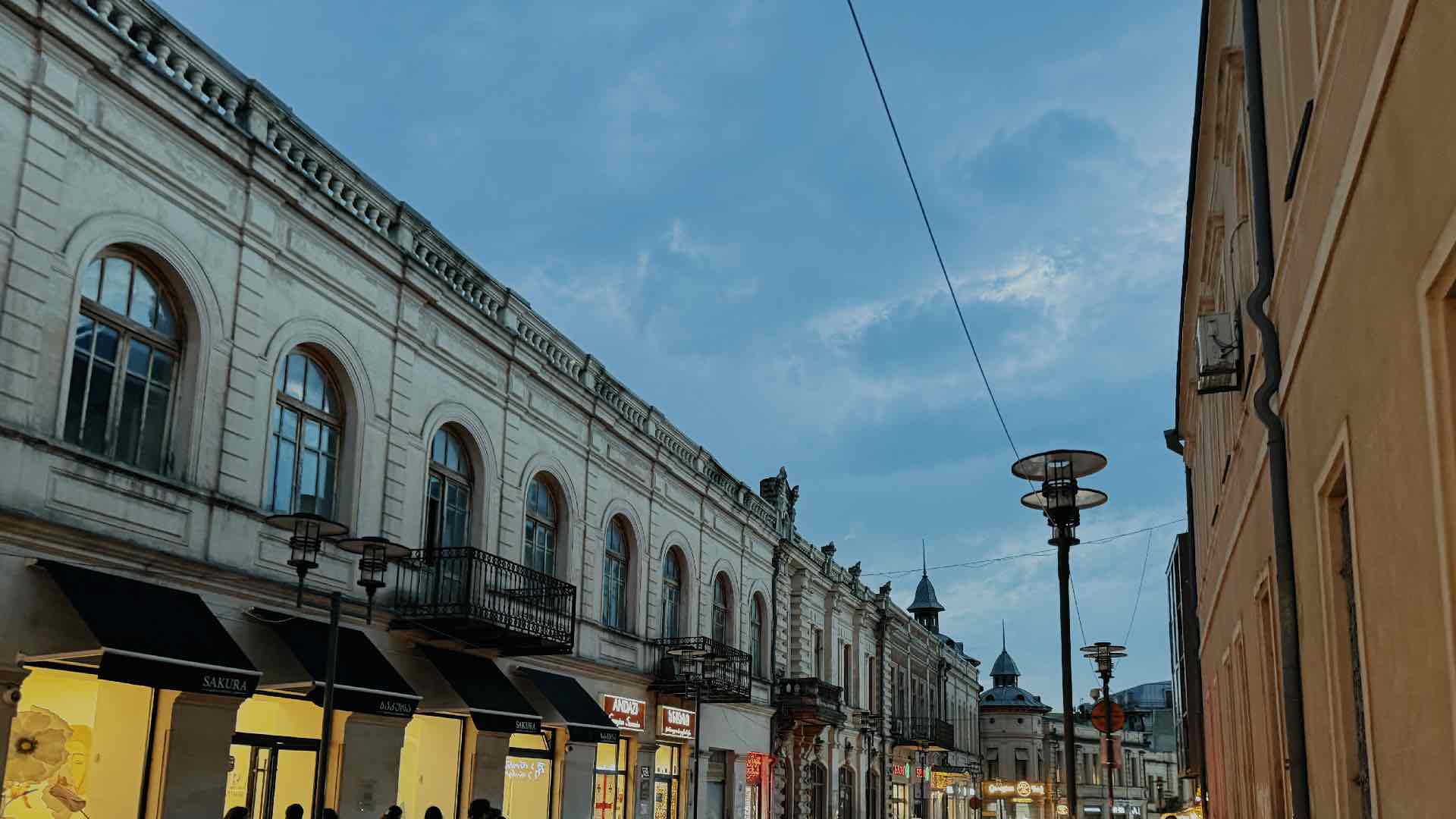
Today was a travel day from Mestia to Kutaisi, and I made it here safely.
The trip from Mestia to Kutaisi was pretty tough. I think we were driving for about six or seven hours. I left the guesthouse around 8 a.m. and arrived at about 2:30 p.m. I started feeling really sick on the way, and there was one moment when I seriously thought, “Oh no, I’m going to throw up.” Somehow I managed to hold it in. I didn’t even have a bag ready, so that was dangerous. It’s been a while since I felt that close to my limit. It almost became an unforgettable travel story. Maybe I’m more tired than I think.
It’s strange to think that around this time next week, I’ll already be back at work.
After arriving in Kutaisi, I just took it easy and checked into George House. At night, we had a little party with chacha, cheese, and wine. There were four other people: an Italian, a German, George, and one more person, plus me. I think we were drinking and talking for about three hours. It was really fun. This guesthouse is a great place.
I was thinking about visiting a nearby cave tomorrow, but I’ve decided to make it a relaxing day instead and just explore the city.
I probably drank a little too much tonight. I’m tired. I wonder if I’ll have a hangover tomorrow.
Oh, and I bought an English book today.
Good night.